She recovers after a miss.
She misses a shot in the fourth quarter and gets back on defense without it living in her head for the next three possessions
For competitive female basketball players who dominate in practice and disappear in games.
Forget pep talks and "just be confident." We're replacing vague encouragement with a concrete reset she can execute in the two seconds after a missed shot, before the next possession starts.
Over six months, the Mentally StrongHer™ Game-Ready Framework helps a player who overthinks, plays scared, and loses her game under pressure become a competitor who performs at her practice level when college recruiters are watching.
The practice-to-game gap
You've invested in elite coaching. You've paid for skills training. You've told her how talented she is more times than you can count. And she is talented. You're not imagining it.
But every game, the same thing happens. She misses a shot, her shoulders drop, and you watch the player you see at practice disappear. You remind her after the game. She nods. You encourage her before the next one. It doesn't stick.
You pay for AAU, travel, and private sessions, but you aren't seeing that work carry over into games because something else is getting in the way, and nobody is addressing it directly.
The problem isn't her talent, her work ethic, or her willingness to compete. The problem is that she's been told confidence is something you either have or you don't. Nobody has ever taught her it's a skill she can build, rep by rep, the same way she built her crossover.
She misses a shot in the fourth quarter and gets back on defense without it living in her head for the next three possessions
She takes the open look she's been passing up for two seasons because she finally trusts what happens after a miss
Her coach starts giving her the ball in moments that matter because her body language in a game finally matches what she shows in practice
She stops dreading game day and starts expecting to perform because she's done it, repeatedly, and she knows exactly why
The Mentally StrongHer™ Game-Ready Framework
While every other solution on the market sends her back to the gym for more reps, more drills, more skills work (as if the problem is that she hasn't practiced enough), we address the layer underneath, because mental performance under pressure is a trainable skill set, not a personality trait, and no amount of ball-handling work fixes a nervous system that hasn't been trained to reset.
That's exactly why we built the Mentally StrongHer™ Game-Ready Framework, a six-month structured system that takes what she can already do in practice and makes it available to her when the lights are on, the stands are full, and the moment is real.
She learns to spot what happens after a miss or a turnover. Does she rush the next play, stop asking for the ball, or keep replaying the mistake? We use her assessment results and examples from her games to identify her pattern, so she can recognize it sooner on the court.
She learns one specific, repeatable reset she can execute in under two seconds after a mistake. She trains her mental response to high-stakes moments the same way she trains her shooting form, deliberately and repeatedly, so game pressure starts to feel like something she’s already practiced for.
She internalizes the evidence of her own competence through a structured process, so the player she knows she is in practice becomes the player she consistently shows up as in games.
Included with private mentorship
One coaching session helps her learn the skill. What she practices between sessions helps her use it when the game gets tough.
Every Competitive Edge Mentorship athlete gets access to the private Mentally StrongHer™ client app. Her coaching plan, game-day tools, and mental reps are organized in one place, so she can practice what we work on together throughout the week.
Illustrative preview. Actual client screens vary.
For your daughter
For you, the parent
Your separate parent view keeps you informed about her mental skills work and progress.
No app-store download required. Athletes open their private access link and can add the web app to their phone’s Home Screen.
Beyond basketball
The same skills your daughter practices after a missed shot or a turnover can help her handle pressure at school and in everyday life.
After a disappointing grade, she can look at what went wrong and choose one thing to do differently next time.
When feedback is unclear, she can ask a teacher or coach what to work on next.
She can be honest about how she played and remember that one performance doesn’t define who she is.
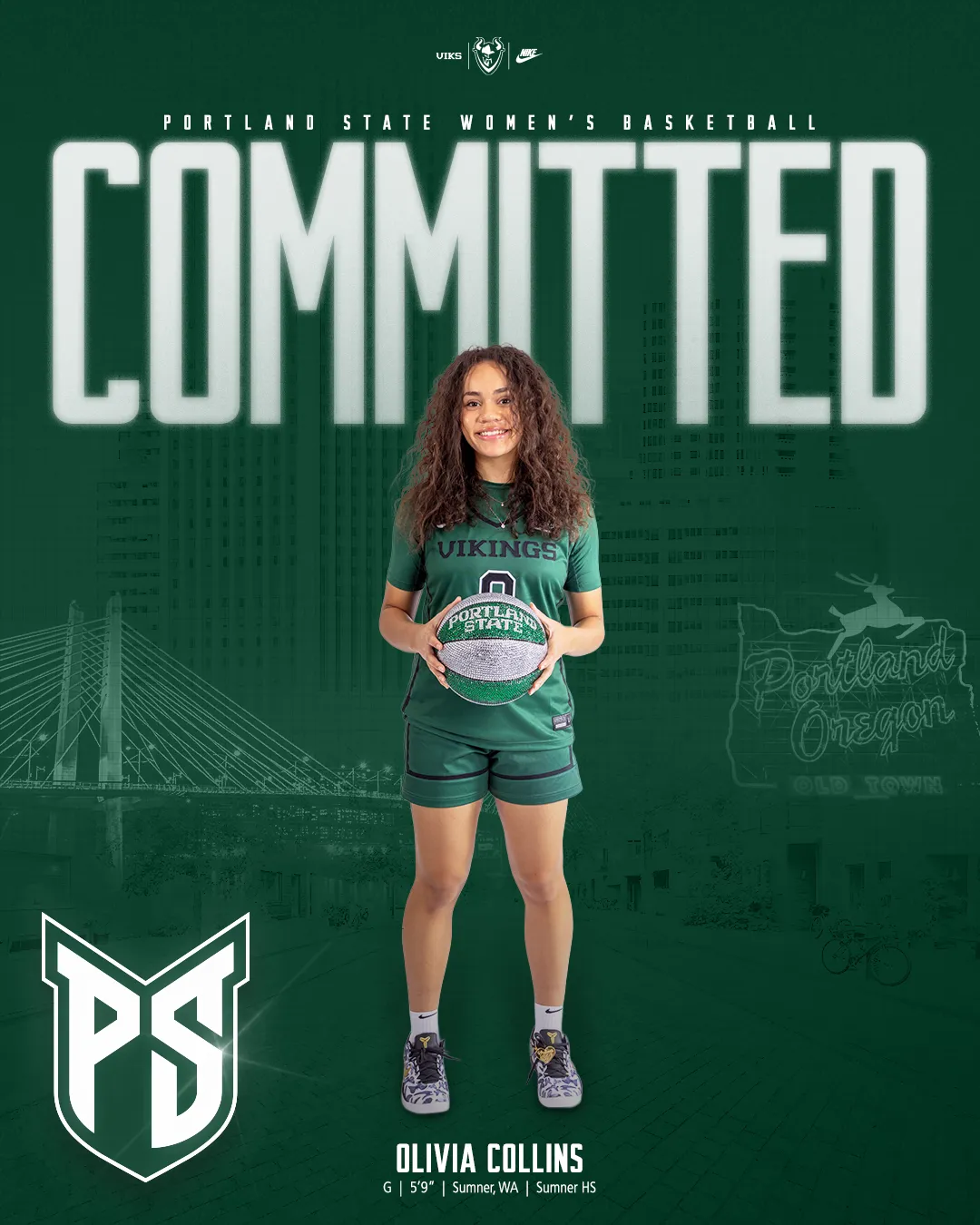
Olivia started the season with zero college offers. She was adjusting to a new AAU team, competing for minutes, and feeling the pressure of recruiting.
In our work together, she got more intentional about how she prepared. She learned to focus on what she could control, let go of smaller mistakes, and recover after difficult games.
By the end of her spring AAU season, she had committed to play Division I basketball.
“Our daughter ended the season with multiple offers and is now committed to play at a D1 school.” Olivia’s parent
I'm Val Whiting, a former WNBA player, Stanford national champion, and Certified Mental Performance Consultant®.
I've been the player who put in the work and still felt pressure change how I played. I've also seen how easy it is for parents and coaches to send a talented player back to the gym when what she needs is a way to respond after a mistake.
That's why I built this mentorship. I help your daughter work through the moments that make her hesitate and practice responses she can use on her own in games.
Skills sessions help her build her shot. In this mentorship, we work on what happens when she gets an open look after two misses and has to decide whether to take it.
Financial circumstances should not prevent an athlete from being considered for coaching. If cost is a concern, please don't let that stop you from scheduling a conversation.
Six months of individualized coaching, with financial arrangements discussed privately during enrollment.
Because I work individually with each athlete, I accept a limited number of private coaching clients at a time. Enrollment is based on availability, and each athlete begins with a personalized coaching plan built around her needs and goals.
What happens next? Complete the short booking form to request a call. We’ll talk about what you’re noticing in your daughter’s game, what she wants to improve, how private coaching works, and whether Competitive Edge Mentorship is the right fit.
Her willingness matters. Start a conversation about what she wants from basketball and how mental performance coaching could support her goals.
A guide to help you introduce coaching without making her feel like something is wrong with her or that she is being forced to participate.
Get the Free Parent Guide